
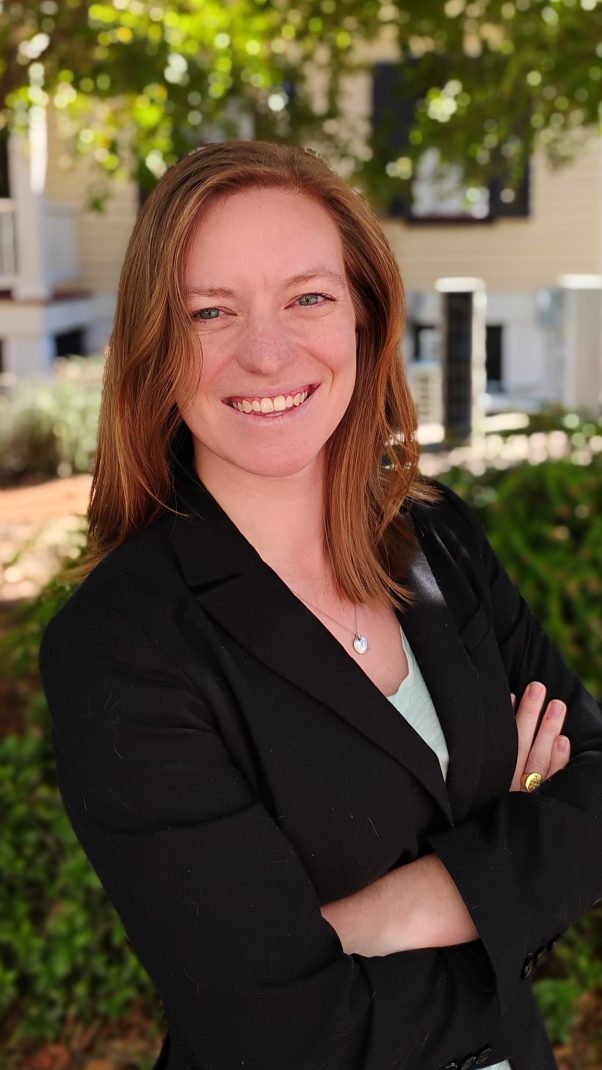
Morgan Mercer walks into the orientation fair at the University of South Carolina’s law school. She has a clear purpose for being there: joining the school’s chapter of the Student Animal Legal Defense Fund [SALDF]. Mercer volunteers at local animal shelters [Pawmetto Lifeline and Final Victory Animal Rescue in Columbia, SC] and has researched student organizations; she’s excited to learn about animal law. But as she searches through the featured organizations, Mercer faces a disappointing revelation: not only is the SALDF chapter absent from the fair, it is also inactive at the law school. Instead of dwelling on this disappointment, she gathers her resolve. Years later, Mercer shares what she was thinking at that moment: “I felt like it needed to be here. So I was like, ‘I’ll start it.’”
As a student chapter of the Animal Legal Defense Fund [ALDF], SALDF is guided by a national mission: protecting animal interests through the legal system. That mission is divided into aiding five categories of animals: captive, companion, farmed, those used in research, and those in the wild. Mercer, as required by ALDF, has always treated these categories as a blueprint for SALDF initiatives.
The year she revived SALDF, Mercer discovered that companion animals are an effective gateway into animal law. Specifically, the popularity of dogs and cats gets “people’s foot in the door” and fosters discussions “about the criminal prosecution of dogfighting” and “what sentencing looks like if you commit an animal-related crime.” Many of the law students, and others who attend SALDF events, have relationships with dogs and cats, so it is a natural progression to consider how the legal system treats them.

A student pets an adoptable dog, from Final Victory Animal Rescue, during SALDF’s and the Law School Pro Bono Program’s Doggie Day Out
After making this introduction, Mercer likes to explore other animal categories. “It’s not that they [law students] are uninterested in things that don’t have to do with dogs and cats,” she elaborates, “they just are not aware of those things. So something I’ve been really excited about is to introduce people to legal issues they weren’t even aware existed.”

Mercer visits Cotton Branch Refuge Project , along with several other law students, during a volunteering event
Every October, ALDF observes Farmed Animal Awareness Month, highlighting the lack of effective laws protecting farmed animals from cruel treatment. This past October, SALDF participated in Farmed Animal Awareness Month by illustrating the confinement of gestation crates. This tabling presentation was particularly relevant. “South Carolina is such an agricultural state that these things are not distant issues,” explains Mercer, “They’re happening here.” SALDF placed “bright neon orange masking tape” on the ground in the “size of what a pig gestation crate looks like.” Testing out the “crate’s” size for themselves, many of those visiting the table laid down inside of this neon border.
Mercer’s SALDF chapter also seeks to discuss animals that transcend a mere category, such as how horses and horseshoe crabs transcend their companion animal and wildlife categories. “We are trying to push ourselves a little bit this year to look at what we think of as working animals. So horses that aren’t just someone’s companion, but carriage horses in Charleston,” Mercer says. The chapter also plans to organize speaking engagements on horseshoe crabs because, importantly, South Carolina is one of few states that allows horseshoe crabs to be retrieved from the wild and bled to produce medicine. The crabs, then lacking 50% of their blood, are then delivered back to the wild. For Mercer, she loves “horseshoe crabs in that [working animal] category a little bit, just because they are used in medical research, and they are not technically killed.”
Mercer, as the spring semester progresses, wonders who will replace her as president of SALDF. She’s graduating in May. “There are a lot of people who are very dedicated,” she says of potential SALDF presidents, and “I think I set a little bit of a high bar. But, I came into this at the beginning and didn’t know anything about animal law. I just liked to volunteer at the local shelter, and I just kind of dove in headfirst, and I’ve loved it.” This experience has allowed her to decide which areas of the legal system she enjoys: criminal law, courts, contracts, or big business?
Her advice to other law students is to not limit themselves. “You know,” she advises, “there’s so much new out there to learn; don’t get so stuck in your ways that you don’t explore or grow or get curious about things.” Mercer came to law school eager to impact the K-12 education system because she has a background as a teacher. However, her love of volunteering at animal shelters introduced her to a new dimension of law. “When you’re in school,” Mercer reiterates, “you have so much time. Don’t get so stuck on one thing.”
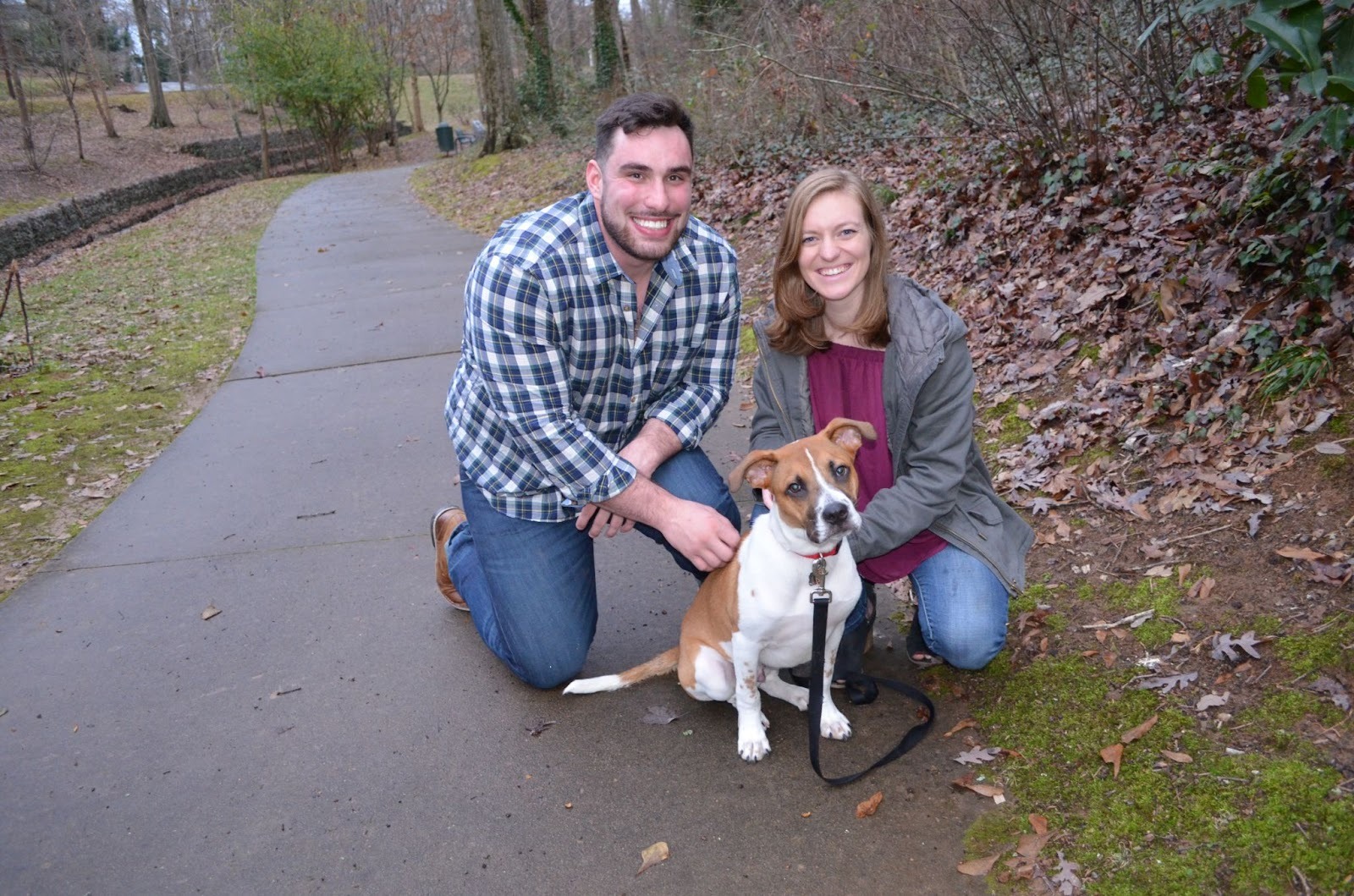
Mercer poses with an adoptable dog
Morgan Mercer is currently a third-year law student at the University of South Carolina. Prior to attending law school, she worked as an elementary school teacher for 5 years. Mercer currently serves as president of the Student Animal Legal Defense Fund at the University of South Carolina, a student-run organization that she revived. SALDF’s goal is to introduce law students to animal law, preparing them for how animals may emerge in their careers. Mercer plans to work in criminal law. Through SALDF, she has been able to educate others on the link between crimes committed against animals and those committed against humans.
Leave a Reply